Clean Edges Matter: Landscape Edging Shakopee MN Specialists
Clean edges are one of those details people notice without being able to name. A lawn can be freshly mowed, flowers can be healthy, and shrubs can be pruned right, yet the yard still looks tired if the beds are sloppy or the grass keeps creeping into the planting areas. In Shakopee MN, where the weather swings from frozen ground to heavy summer rain and back again, edging is not just a decorative finish. It is a structural decision that affects how your landscaping holds up all season long.
I have seen the difference edging makes after one winter and after one rainy stretch. The yard with sharp, properly installed edges still reads clean in late fall. The yard without them looks “unkept” even when the landscaping service in Shakopee MN is doing plenty right elsewhere. If you are hiring for lawn care Shakopee or planning landscaping design installation Shakopee, treat edging as the line that keeps everything else looking intentional.
Why edging looks good and works better
Edges do two jobs at the same time. Visually, they separate textures, colors, and heights. Practically, they reduce the daily friction between grass and whatever you are growing in the bed: mulch, groundcover, perennials, ornamental grasses, or a tree ring.
In Shakopee, mowing is part of the reality. Most folks mowing are trying to keep a mower deck a certain distance from beds, and that distance becomes inconsistent over weeks. If the bed wall is undefined or too shallow, the mower ends up shaving mulch, cutting into roots, and leaving behind ragged lines. Good landscape edging Shakopee MN style gives you a physical reference point, so the lawn mowing service Shakopee might run smoother and faster while also protecting your investment in the landscaping.
Edging also matters for water movement. A bed that has no defined boundary tends to collect runoff in unpredictable spots. Mulch can wash out, soil can slump, and the edge becomes a shallow trench. Over time, that turns into weeds that thrive where conditions are constantly shifting. Clean edges keep water from undermining the transition area and can limit erosion in the first few inches where it counts.
The Shakopee test: freeze-thaw, drainage, and compaction
People in Minnesota learn quickly that “set it and forget it” rarely applies to outdoor work. Freeze-thaw cycles lift and settle materials, and the soil does what it wants unless you plan for it. You cannot treat edging like a surface accessory.
When the ground freezes, moisture in the soil expands. Then, as temperatures rise, the soil drops back down, sometimes unevenly. If edging is installed over uncompacted backfill, or if it is anchored without a base that can handle movement, the edge will heave. You might not notice in the first few weeks, but after a couple of freeze-thaw cycles, gaps show up, sections tilt, and grass starts finding new paths.
Drainage is another big factor. If you have a downspout that dumps near a bed, the runoff is not gentle. If you have compacted soil from foot traffic or equipment staging, water does not absorb quickly. That increases the likelihood of washouts and undermining at the edge. In a yard where drainage is already struggling, edging needs to be paired with grading that directs water away from the bed.
Finally, compaction changes the behavior of everything around the edge. If the soil is loose from recent excavation, it may settle once the yard is watered. That settlement can open a seam between edging and soil. The best edging jobs take compaction seriously during installation, not just aesthetics.
Types of landscape edging, and the trade-offs you actually feel
There is no single edging material that wins for every yard. The right choice depends on your soil, your slope, how close the mower gets, and how much maintenance you want to do.
Metal edging: clean line, strong restraint
Metal edging is popular because it can create a crisp separation and it is relatively tidy to install. It is also good at resisting grass encroachment. The catch is that metal edging needs the right base and anchoring method, especially in areas where the soil heaves.
If the installation is rushed, metal edges can bow or shift. In many yards, that is not noticeable right away, but it becomes obvious when you mow and notice the deck catching on low spots or the line no longer staying straight.
Concrete or paver edging: durable, but pay attention to leveling
Precast concrete or paver borders can look fantastic, particularly with formal beds or sidewalks nearby. They also tend to hold up well against heavy mower traffic.
The trade-off is that paver and concrete edging can become a “ride over time” if the base is uneven or too shallow. In Shakopee, where freeze-thaw can move even well-prepared soil, proper bedding and joint stability matter. If the base is not built to handle movement, you can end up with rocking stones, gaps that collect mulch, and edges that still need repair even though the material itself is solid.
Timber edging: warm look, but it has a lifespan
Timber edging can be attractive, especially where you want a natural, rustic feel. It can also be flexible enough to follow mild curves.
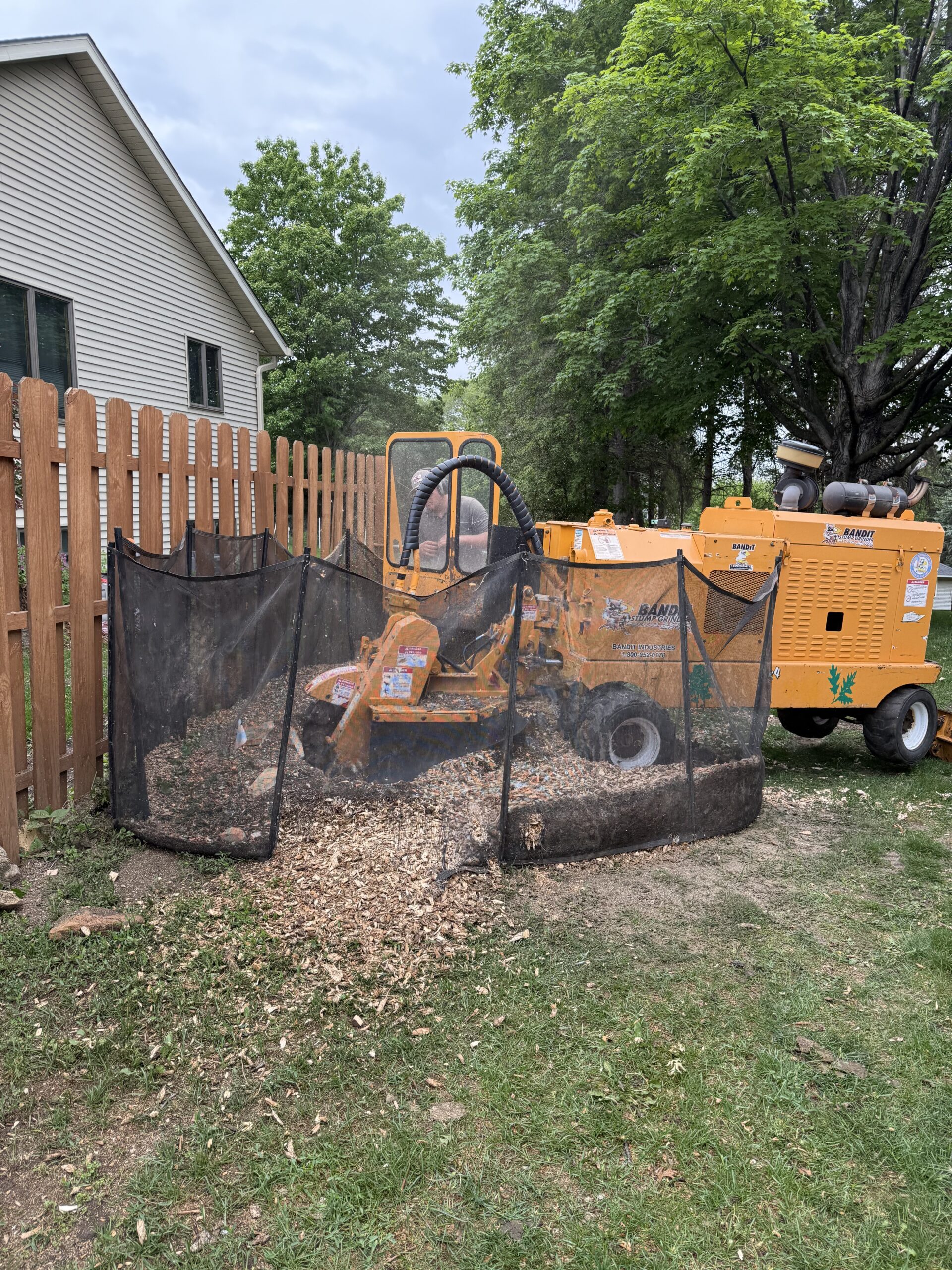
Timber does not last forever. In Minnesota, it breaks down faster than many homeowners expect, especially when it is in contact with consistently wet soil or when mulch and irrigation keep the timber damp. Timber edging is often a reasonable choice when budgets are tighter or when the yard design will likely change again in a few years, but it is not the “install once and ignore” approach.
Brick edging: classic, but it depends on base and support
Brick can deliver a clean line and a timeless look. It is also easy to shape for gentle curves. The key is the base and the support under the brick line. If bricks are set directly in thin material without adequate preparation, they shift with time, and weeds find the seams.
Brick edging can look elegant in front yards with careful design, and it can also become frustrating if your yard experiences recurring washouts.
Gravel and rock borders: beautiful, but they can blur the line
A rock border can look crisp, but gravel edging has a different behavior than rigid edging. Under mowing, water, and shifting soil, gravel can migrate. That migration may not be dramatic, but over a season it can turn the border from “defined edge” into “gravel pile that looks messy.”
If you like the look of rock, it still needs a containment strategy, and it helps to pair it with a more stable underlayer.
A practical note on slope and curving lines
For sloped yards and curved edges, material choice matters because edges experience different forces. A straight run can handle slight movement without becoming obvious, while a curved bed boundary can reveal shifting faster because the curvature exaggerates inconsistencies. When I evaluate a yard, I look for “stress lines,” places where water flows, where feet repeatedly cross, or where the mower always tracks in the same path.
How clean edges change day-to-day maintenance
Edging affects more than the visible boundary. It alters your routine and what your crew can do efficiently.
When beds are edged consistently, mowing crews spend less time “navigating around” beds and more time getting straight passes. Homeowners also tend to notice less overgrowth. The grass that would normally invade the mulch line is kept back, which reduces the need for repeated trimming at the border.
There is also a subtle benefit for landscaping design installation Shakopee clients often care about later. When bed boundaries are defined from the start, you have an easier time replanting or upgrading the bed. You do not have to fight a drifting boundary or rework an uneven trench every spring.
If you are planning tree service in Shakopee, this relationship is even more visible. Tree work often involves grading around roots, adding mulch, and sometimes adjusting soil levels after pruning or removal. A well-maintained edge helps keep mulch where it belongs, reduces soil smearing, and can make post-work cleanup look sharp rather than transitional.
A real yard scenario: the “looks fine but isn’t” problem
Here is a common situation I have seen. A homeowner invests in fresh mulch, new shrubs, and good-looking plants. The yard is mowed regularly, and the landscaping itself looks healthy. Then, in the first wet spell of spring, the mulch line starts to look uneven.
The bed edge is not necessarily missing. It just is not physically strong. The mulch gets pushed inward as the grass grows and the mower nudges it. Because there is no real separation, the edge becomes a soft boundary. It turns into a berm-like ridge where mulch collects and then slumps again after watering.
By mid-summer, weeds start showing up at the transition, not because the plants are failing, but because the boundary is unstable. The problem is often fixed with edging and a quick regrade, but the key is doing it at the right depth, with the right anchoring, and with a plan that matches how your yard drains.
That is why I do not treat edging as “the last thing.” I treat it as a foundation for the rest of your yard’s appearance.
What proper edging installation actually includes
People assume installation means placing material along a line and leveling it. That is only part of the story. The difference between edging that lasts and edging that requires rework usually comes down to preparation and how the edge is anchored.
A proper installation typically includes:
First, measuring and marking the boundary so the line matches the design intent. Curves should look intentional, not accidental. Then comes excavation to a consistent depth, especially where turf meets bed. The goal is to create a receiving base that supports the edging and prevents it from settling inconsistently.
Next, the base material and compaction matter. Whether it is a sand base, gravel base, or another appropriate substrate, the idea is the same: create a stable layer that drains well and reduces movement. After that, the edging is set in a way that accounts for grade and mower clearance. Even small height differences become obvious after mowing, particularly along long front yard borders.
Finally, backfilling and finishing seal the interface. The edge should not be a hollow seam where soil washes away. Finishing around the base also helps prevent weeds from taking advantage of micro-gaps.
If your yard has slopes, water runoff patterns, or tree-root influenced soil changes, the installation needs to respect that reality. The “best” edging in theory can fail early if it is placed where water keeps undermining it.
Lawn mowing meets edging: spacing and visibility
When people talk about edging, they often focus on the look of the border itself. They should also think about how the mower will interact with it. A clean edge is not useful if it is too fragile for real mowing.
I typically advise homeowners to consider the workflow: do you mow with a push mower, a riding mower, or both? Do you edge with a string trimmer weekly? Are you mowing over uneven terrain? The answers change the edging height and how sturdy the foundation needs to be.
In Shakopee neighborhoods, many lawns have driveways, sidewalks, and small sidewalk-adjacent beds. Mowing access becomes a factor when crews need tight turns. Strong, well-set edging helps keep the bed edges consistent even when mowing routes change slightly with each visit.
Common edge problems I see, and what usually fixes them
Edges fail for predictable reasons. When you know the cause, the repair strategy becomes clearer, and the cost is usually easier to control.
- The edge is installed too shallow, so it settles and leaves a gap where grass and weeds enter.
- The base was not compacted well enough, so freeze-thaw shifts the line.
- Drainage is pushing water toward the bed, undermining the edge at specific points.
- The edging height is too low relative to mulch depth, so mulch gets displaced during mowing and watering.
- The yard needs regrading after landscaping work, but the edge was treated as a surface-only task.
Notice how many of those issues point back to preparation and water management. That is why partnering with a knowledgeable team matters. If the job is Landscaping service in Shakopee MN done quickly without addressing the conditions underneath, you are paying again sooner than you expected.
If you are already paying for lawn care, make edging part of the plan
A lot of homeowners schedule seasonal lawn care and mowing service Shakopee and then handle bed maintenance separately. That can work, but edging creates an opportunity to align services.
When mowing and bed boundaries match, the yard looks consistent across visits. If the lawn crew understands where the edging line is and the edge is properly built to handle mowing contact, you avoid the small daily disturbances that add up over the season.
If you are also maintaining trees and shrubs, clean edges help the whole landscape read better. Tree service in Shakopee often includes mulch refreshes around trunks and root zones. A defined edge keeps mulch neat and reduces the chance that soil gets smeared outward into turf.
Budgeting for edging: what changes the price
Edging costs vary widely based on length, material choice, the amount of excavation needed, and site conditions like slope and drainage. Some yards require more base preparation because the soil is disturbed, heavily compacted, or inconsistent after prior landscaping work.
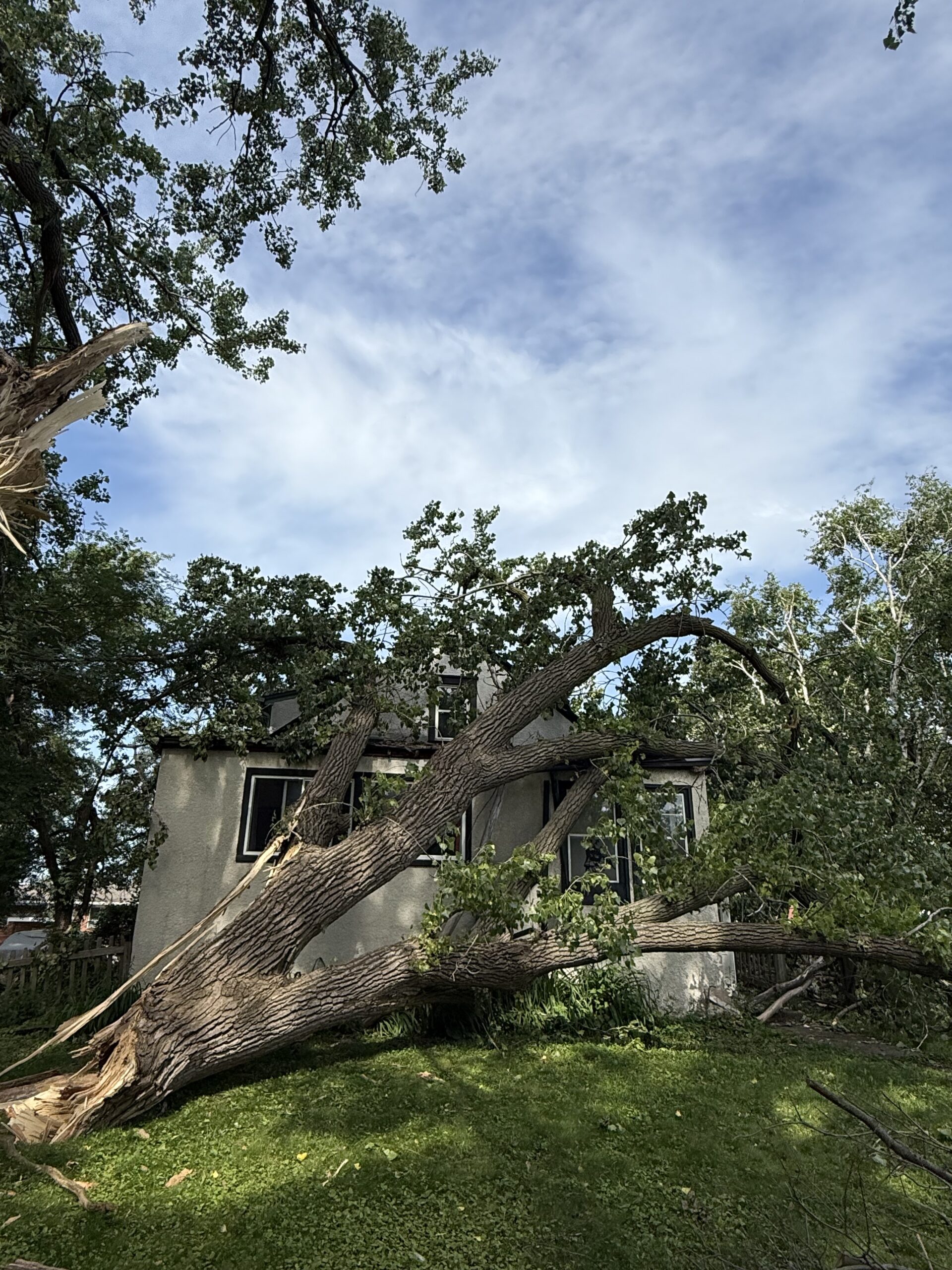
If you have existing edging that needs removal, the prep work changes the price. If your beds have been allowed to blur into turf, the excavation might be deeper to restore the boundary. If there are roots under the line, you may need adjustments to avoid damaging them, which can affect how the edge is aligned.
The best budgeting approach is to treat edging as part of an overall landscaping plan rather than a separate add-on. When landscaping design installation Shakopee is planned with edging in mind, the costs usually come out cleaner because you are not paying twice for soil work.
What to ask before hiring a Shakopee edging specialist
If you want edging that stays straight after winter and still looks sharp after summer mowing, ask questions that reveal how they work, not just what they install.
Here are the questions I recommend:
- How do you prepare the base, and what do you use to compact it for Minnesota soils?
- How do you handle drainage so runoff does not undermine the edge?
- What edging height and depth do you recommend for my mower type and mulch depth?
- Do you adjust for freeze-thaw movement, and how will you prevent heaving or shifting?
- Will you coordinate edging with landscaping design installation, so bed lines and planting layouts match?
A reputable landscaping service in Shakopee MN should be comfortable answering these in plain language. If their answers stay vague, it is a sign you might be getting a surface-only install.
Pairing edging with design: crisp lines that still look natural
One trap I see is overcorrecting with edging that looks too rigid for the style of the yard. A formal border can look incredible next to clean walkways and manicured shrubs. The same border can look out of place in a yard with a more relaxed, natural planting scheme.
The trick is to keep the boundary crisp while allowing the plants to soften the transition. That might mean using plantings that taper toward the edge, so the edge remains visible but not harsh. In many Shakopee yards, the most attractive results come from a defined bed line paired with thoughtful spacing, consistent mulch depth, and edging that follows design curves rather than the nearest “straight line” a tape measure suggests.
Even if you do not care about a formal look, you benefit from design alignment. Edging provides structure, and plants provide warmth. When they work together, the yard looks intentional instead of patched.
Seasonal care that protects the edge
Edging does not disappear after installation. A little seasonal attention makes it last longer.
In spring, after the ground thaws, inspect your edges along the places that usually shift: spots near downspouts, low areas where water collects, and sections adjacent to heavy foot traffic. If you catch small gaps early, you can address them before grass becomes established and before roots widen the problem.
During the mowing season, avoid letting mulch get pushed onto the turf repeatedly. If your mulch layer is too thick or being displaced, adjust the maintenance routine. It is not about doing less, it is about doing it in a way that respects the boundary you paid to build.
In fall, consider how leaf debris interacts with edges. Leaves can pack against edging and trap moisture. If your edging line is fine, but the adjacent area stays wet for long periods, plant stress increases and weed pressure rises. A careful cleanup, not a frantic one, helps keep the transition area stable into winter.
Where tree work and edging intersect
Tree service in Shakopee often involves more than pruning. It can include stump removal, root zone work, and soil adjustments. Those activities can change the soil surface around a bed boundary.
Edging matters because it helps maintain a controlled mulch area around trunks and root zones. When mulch spreads or soil slumps, the edge blurs. That blur can affect how your lawn grows near trees, how weeds colonize, and how your landscape looks after a pruning cycle.
If you already plan tree work, coordinate the timeline. Edging installed after significant soil disturbance tends to lock in the final boundary correctly. If you install edging first and then adjust grade and soil later, the edge might still need adjustment to match the updated layout. Coordination saves money and protects the look you are aiming for.
The bottom line: clean edges make everything else easier
When edging is done well, the benefits show up in multiple places: the lawn looks sharper, beds look cared for, mowing stays efficient, and the yard resists the slow creep that turns a tidy landscape into a messy one.
In Shakopee MN, where weather pushes on outdoor materials and water patterns can undermine the smallest seams, edging deserves the same attention you give to mowing lines, mulch depth, and planting health. If you are investing in a landscaping service in Shakopee MN, or you are planning lawn care Shakopee with a longer-term vision, treat landscape edging Shakopee MN as a core feature, not an afterthought.
Clean edges are not about being fussy. They are about keeping your yard working the way it should, season after season.
JCJ Landscaping and Snow Removal
7 West Travelers Trail, Unit 391, Burnsville, MN(55337)
(952) 649-6655
[email protected]
Website: https://jcjpropertymaintenance.com